A Miami
Original
WHAT IF CUBAN CUISINE COULD BE SOMETHING
COMPLETELY NEW?
A Miami perspective on Cuban flavors, Italian technique and the culture of Calle Ocho
If you live in Miami, Cuban food is familiar.
It is part of the city's everyday culinary language, lechón, ropa vieja, malanga, Cuban sandwiches and the flavors that have been passed from one generation to the next.
But Tín Tín approaches those familiar flavors from a different direction.
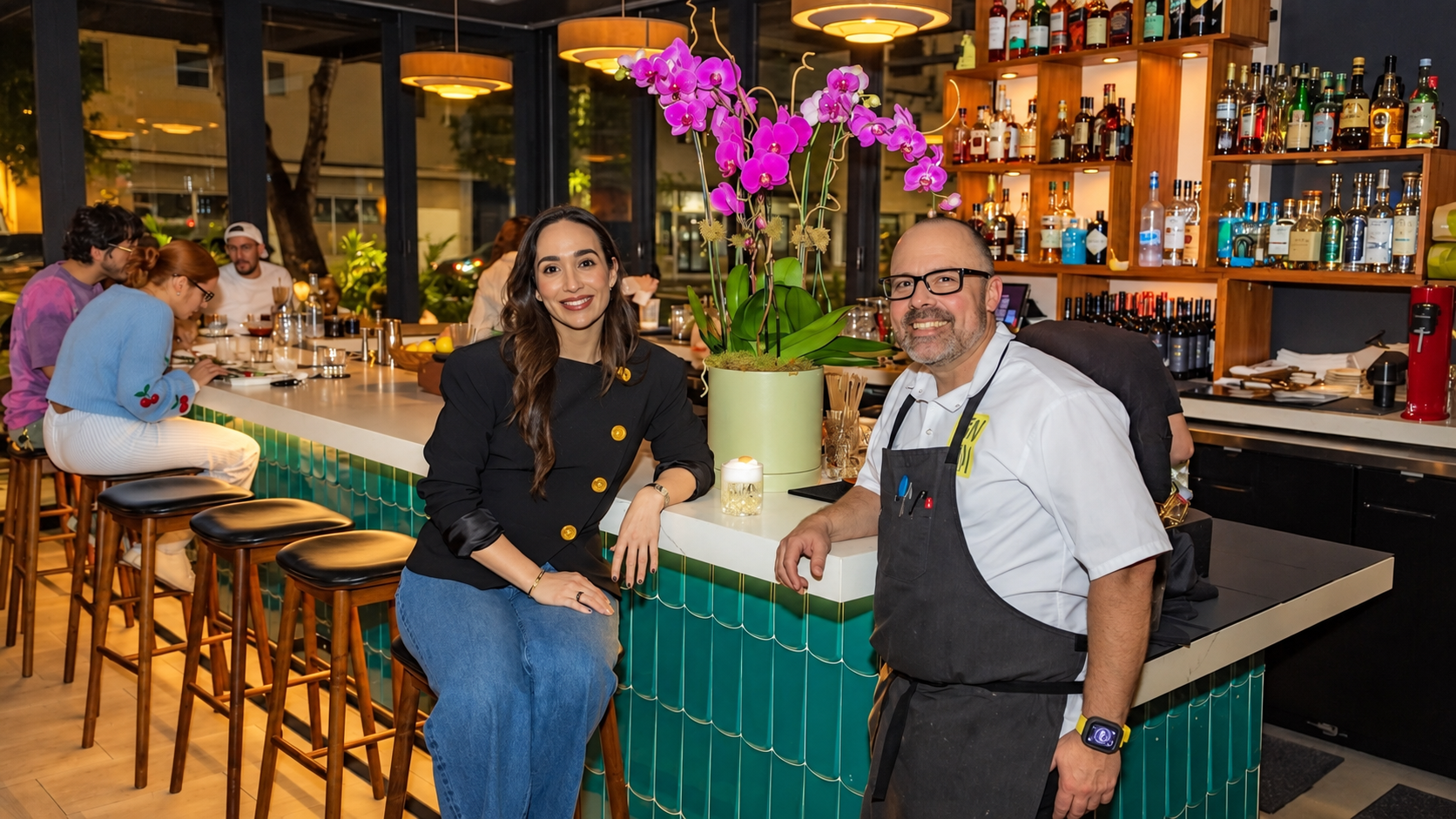
In its feature on the restaurant, The Miami Herald explored how co-chefs and co-owners Sachi Statz and Victor Santos combine Cuban influences with Italian cooking and touches of French technique to create their own interpretation of Miami cuisine.
Tín Tín doesn't present itself as a traditional Cuban restaurant. Instead, the kitchen asks how familiar flavors can become something unexpected.
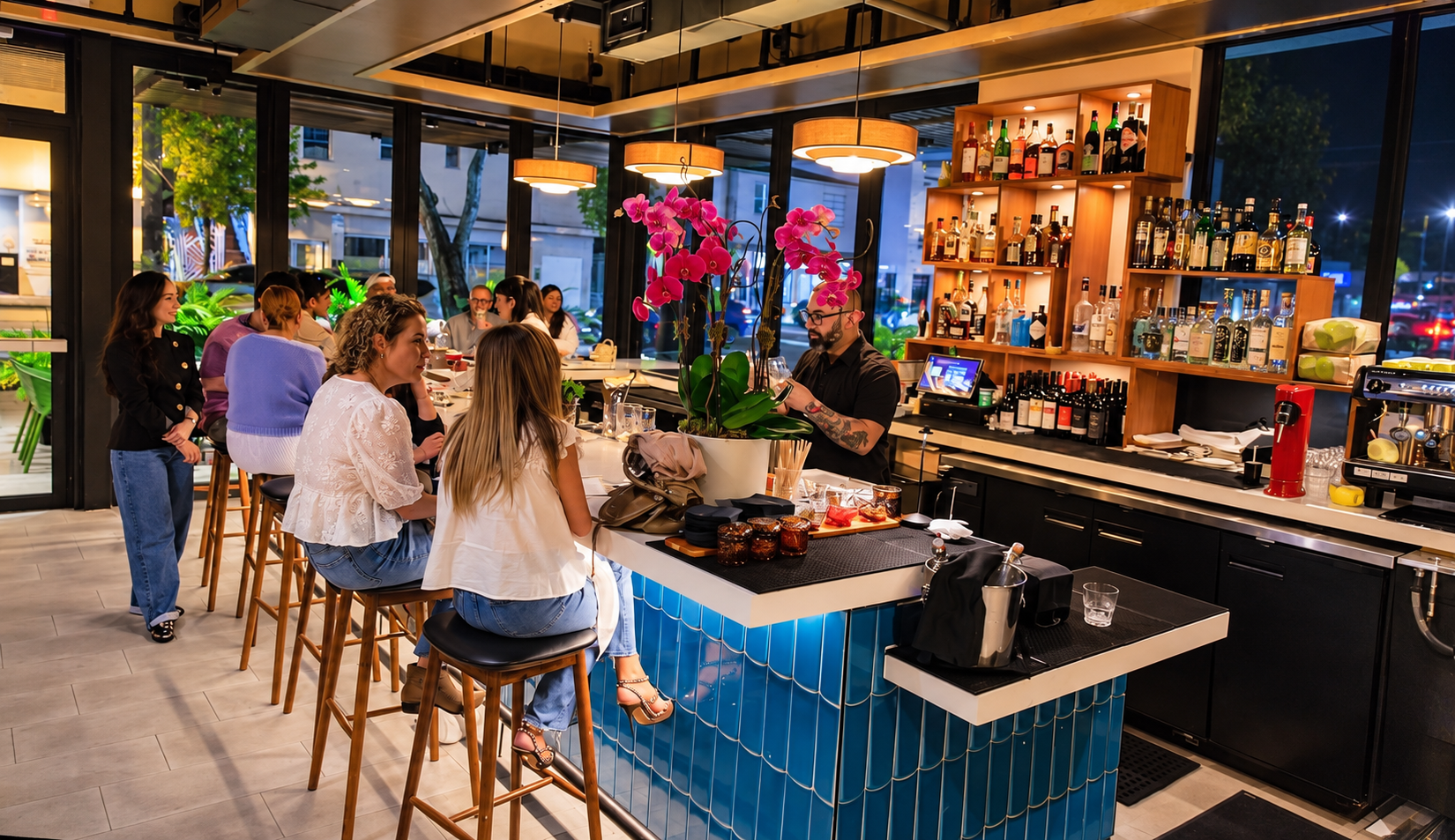
Starting With What Miami Knows
That philosophy can be seen throughout the menu.
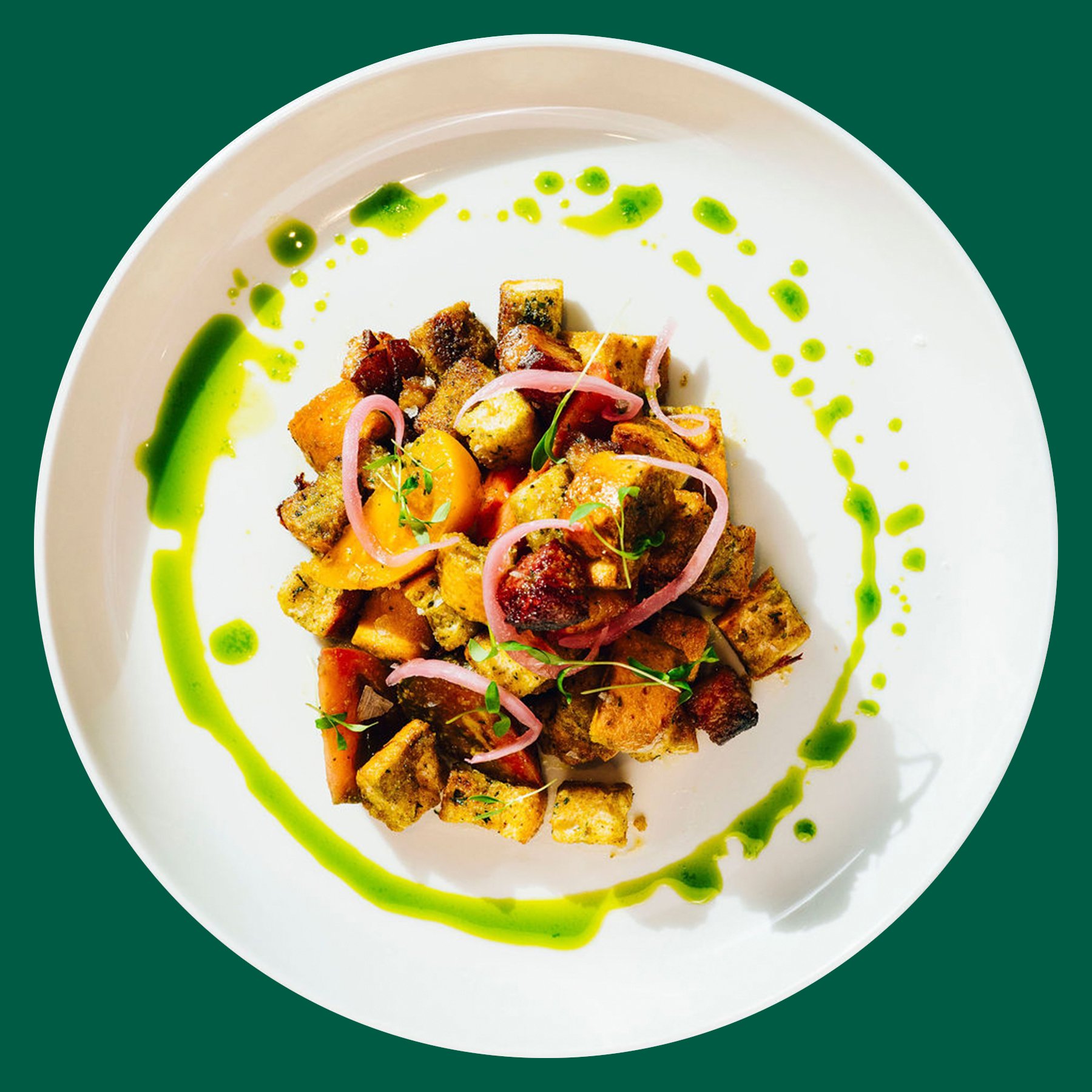
The Cuban Panzanella takes inspiration from the Italian bread salad and brings it into Miami with heirloom tomatoes, toasted bread, crispy pork belly, pickled red onion and mojo vinaigrette.
The Papaya & Jamón Serrano Salad offers another unexpected combination, while the Wahoo Crudo approaches ceviche from a different perspective, pairing thick slices of fish with coconut leche de tigre, sweet potato and toasted corn.
The result is food that begins with ingredients and flavors familiar to Miami, but doesn't stop there.
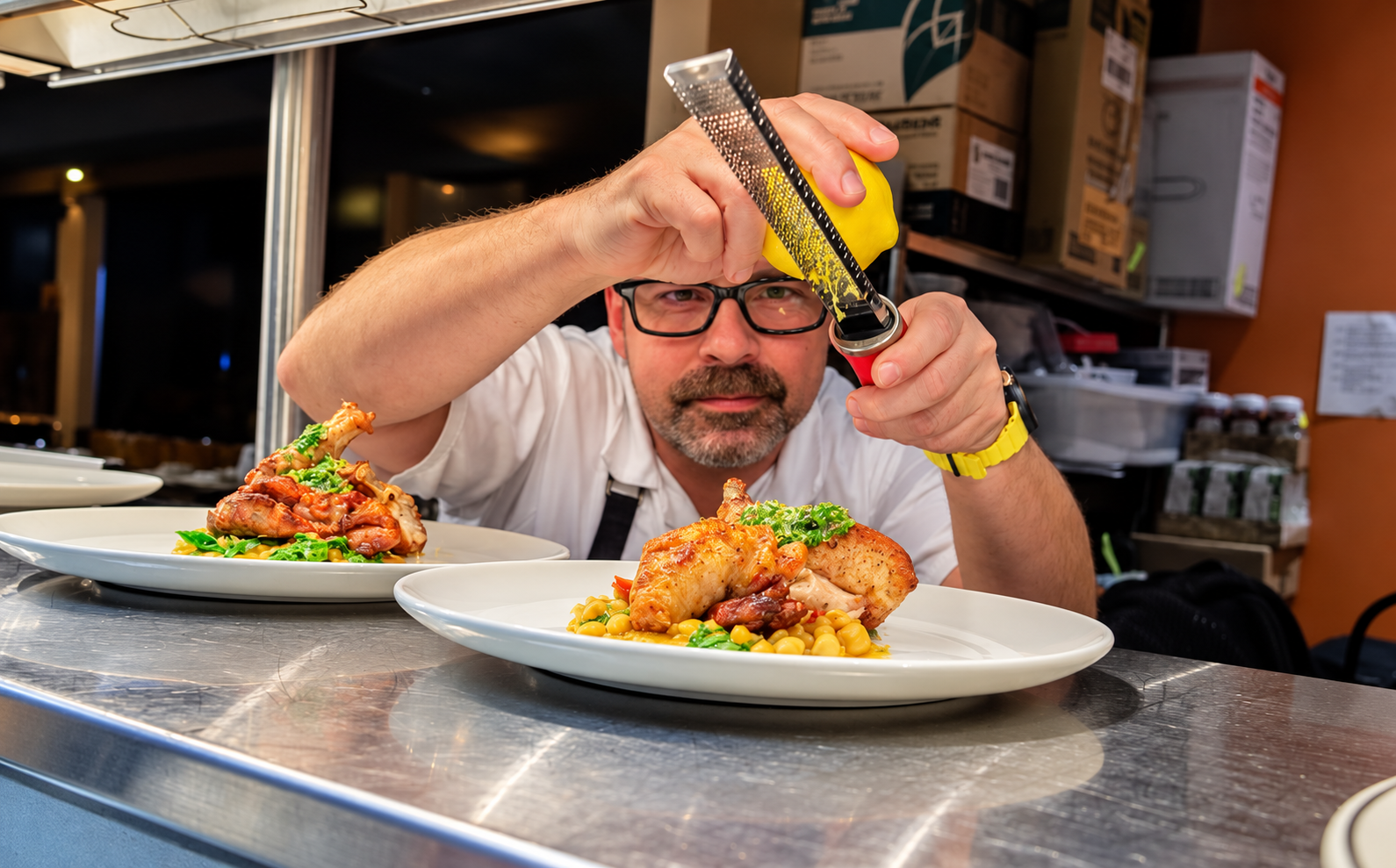
A Cuban Sandwich Without the Sandwich
One of the dishes that caught the Miami Herald's attention was the “Cuban Sandwich” Wagyu Carpaccio.
There is no actual sandwich on the plate.
Instead, thinly sliced wagyu is paired with crispy bread crumbs and a lechón tonnato, a sauce inspired by the Italian technique traditionally associated with tuna.
The idea is simple: take the flavors people recognize from a Cuban sandwich and translate them into something completely different.
It's one of the clearest examples of the way Tín Tín approaches its food.
Ropa Vieja Becomes Raviolo
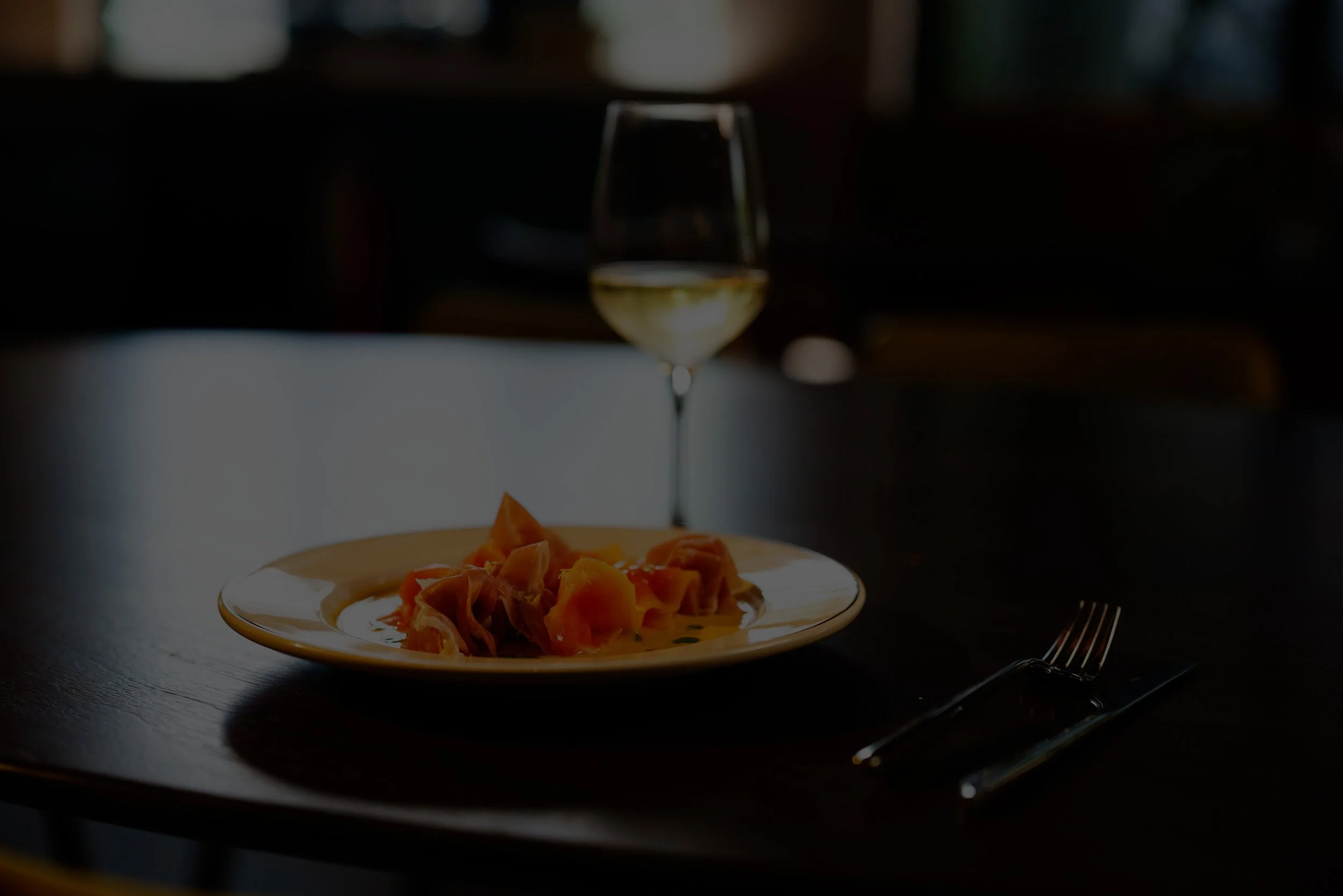
The same idea appears in the Ropa Vieja Raviolo, where seasoned ropa vieja becomes the filling for a large handmade raviolo.
A familiar Cuban dish takes on an Italian form without losing the flavors that make it recognizable.
For Tín Tín, the goal isn't to recreate another cuisine perfectly. It is to create its own interpretation of the flavors that already belong to Miami.
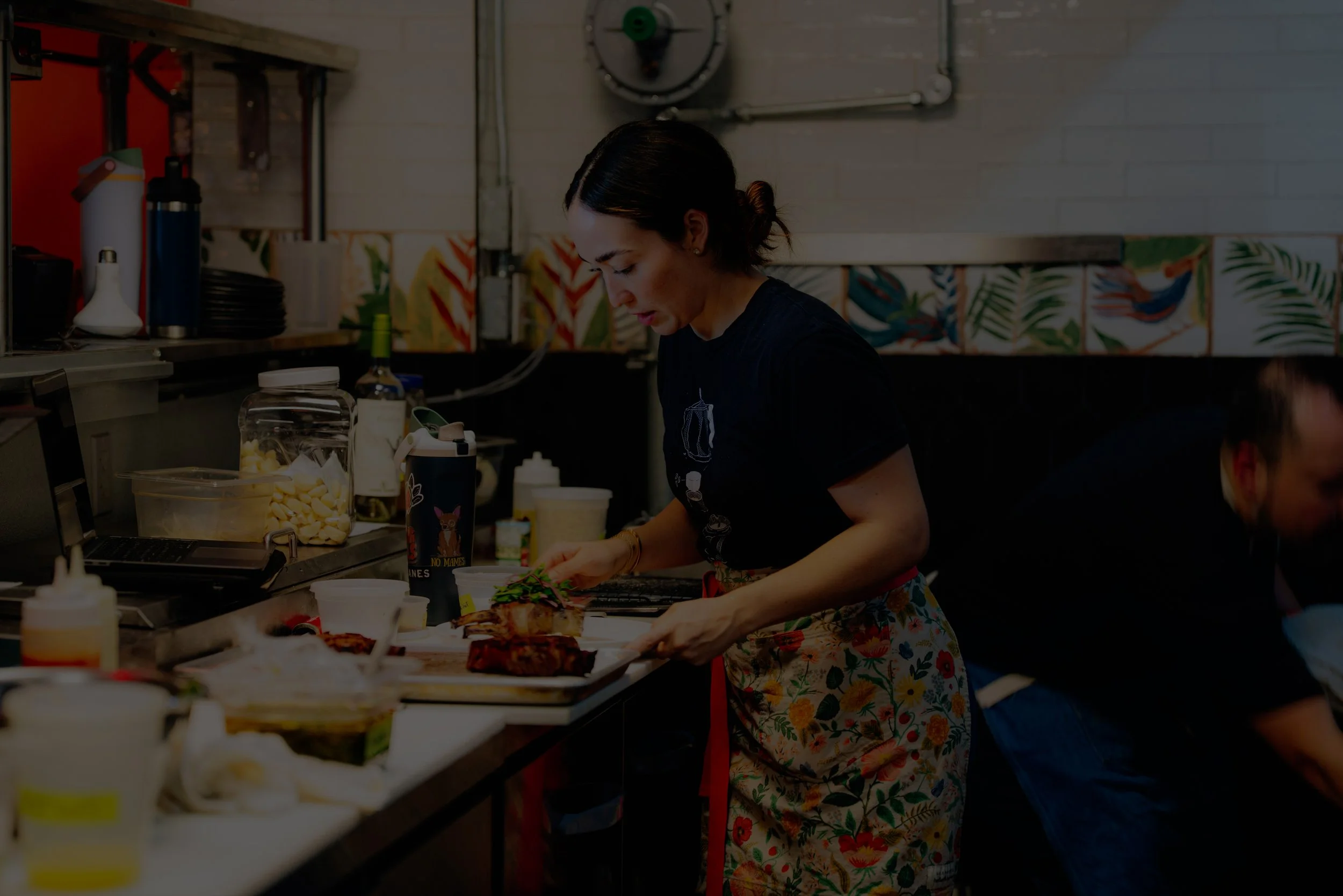
Malanga Meets Cacio e Pepe
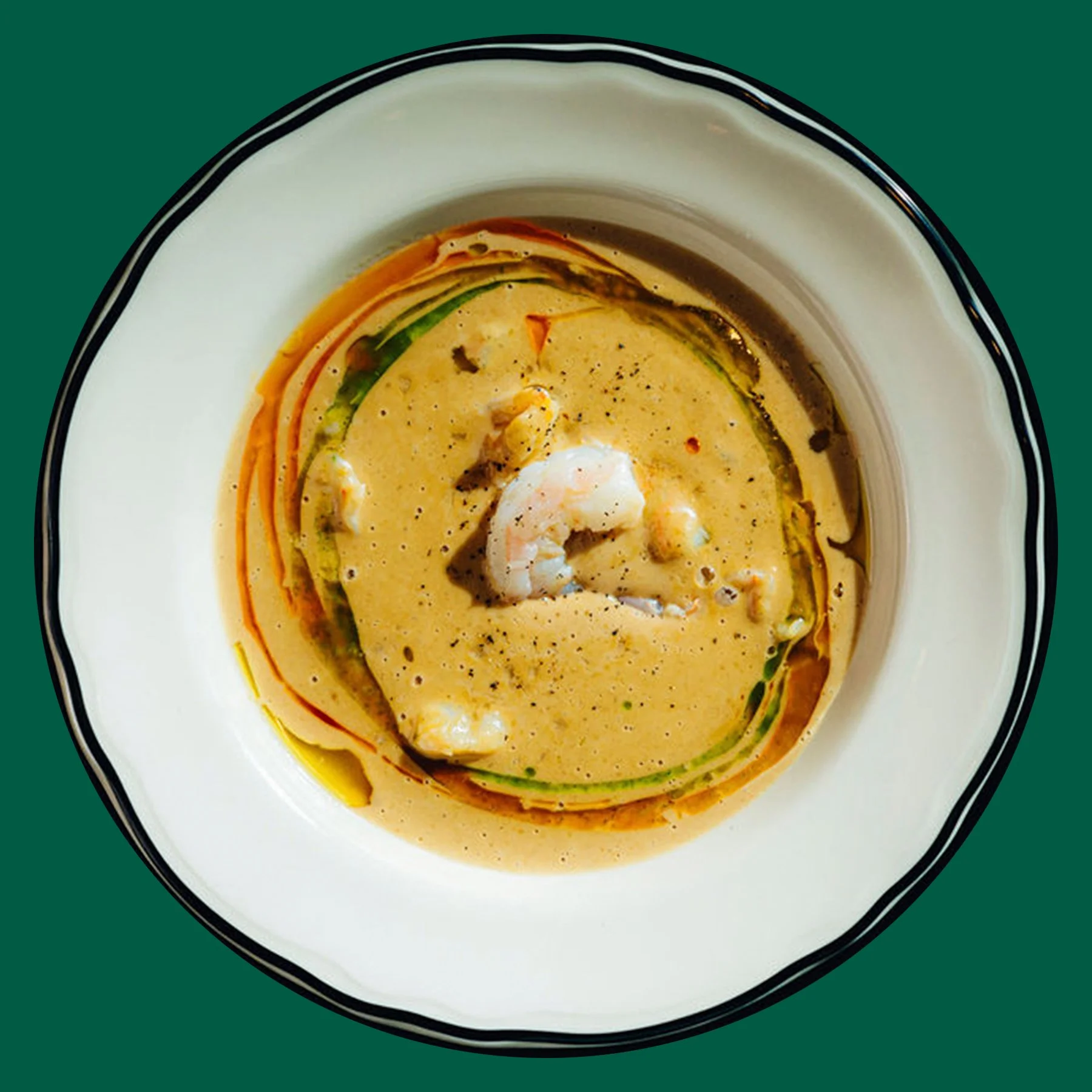
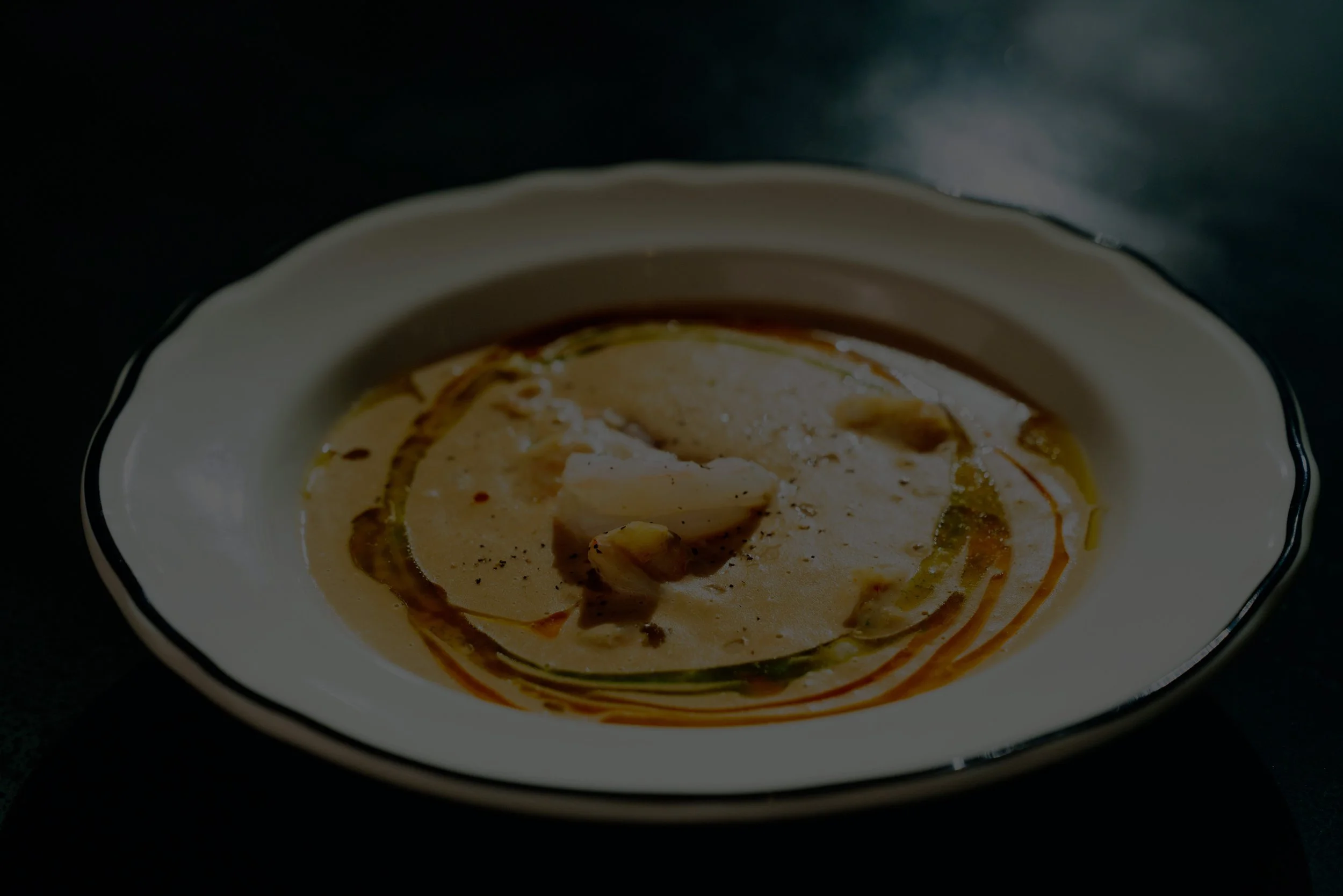
The Malanga Cacio e Pepe takes that idea even further.
Made with approximately 80% malanga and 20% potato, the dish brings a Cuban-rooted ingredient into a classic Italian preparation and finishes it with speck.
The Miami Herald highlighted its surprisingly light texture and airy sauce, created by incorporating air into the preparation.
And that's exactly the point: this isn't intended to be a traditional cacio e pepe.
It is Tín Tín's interpretation, using malanga, an ingredient deeply rooted in Cuban culture, as the starting point.
A Family Story That Comes Back to Calle Ocho
Behind the food is a story that goes back two decades.
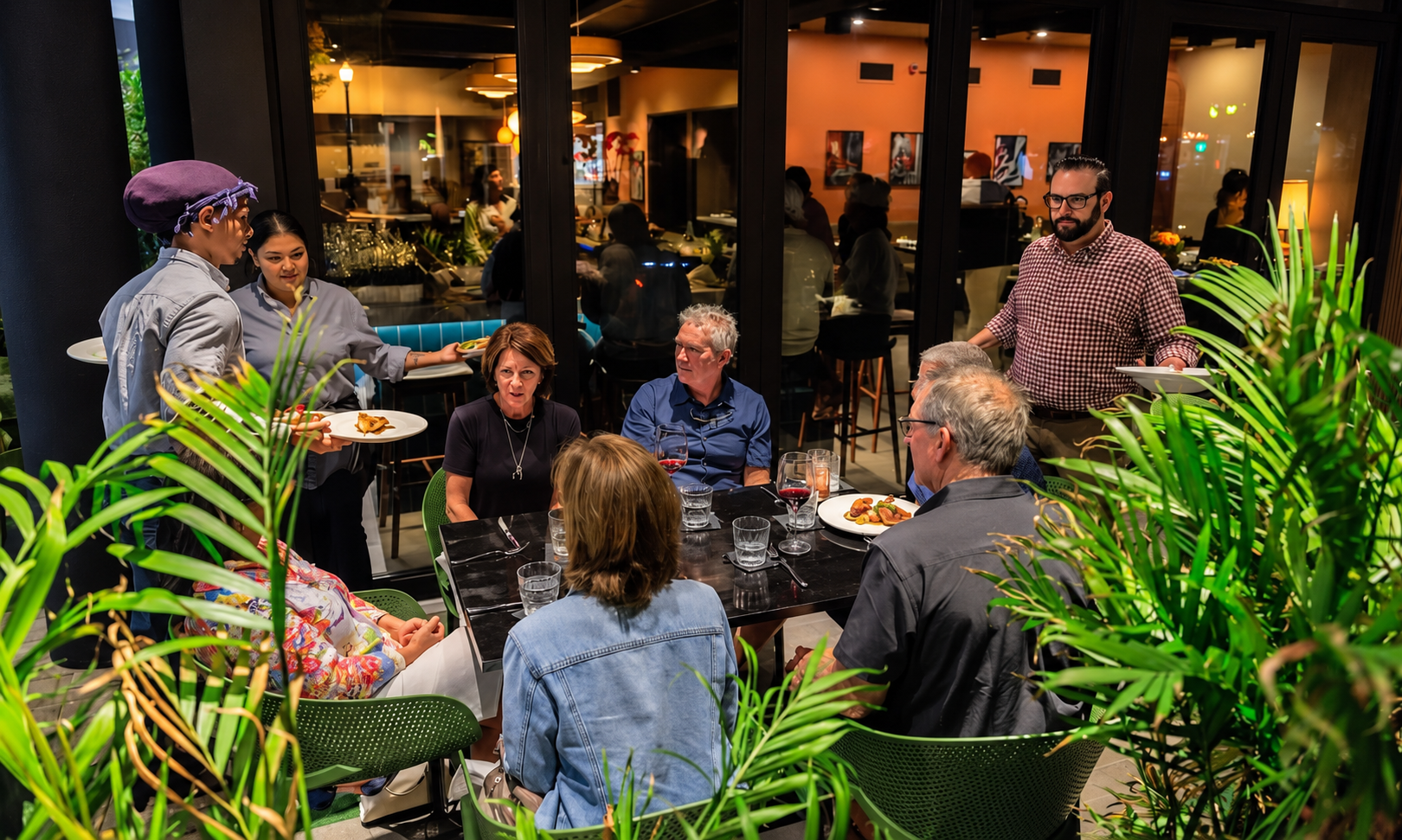
Sachi Statz's family opened the first Tinta y Café on Calle Ocho before expanding to Coral Gables and later Miami Shores.
The Tín Tín team grew out of that history. Statz and Santos both remain connected to Tinta y Café, while Tín Tín represents a new chapter for the culinary partnership.
The connection to Calle Ocho makes the story even more meaningful.
The family's first Tinta opened on Eighth Street, and Tín Tín now sits farther along the same iconic street.
For Statz, returning to Calle Ocho after 20 years feels like a story coming full circle.
Creating a Miami Cuisine
For Statz and Santos, Tín Tín is about more than combining cuisines.
It is about showing what Miami food can be.
The restaurant draws from Cuban culture while embracing the city's many other influences, using Italian and French techniques to create dishes that could only make sense in Miami.
The result is neither strictly traditional nor disconnected from tradition.
It is a reflection of the city itself: familiar, multicultural, constantly evolving and deeply connected to where it comes from.
A New Chapter on Calle Ocho
he Miami Herald captured what makes Tín Tín different: the restaurant isn't trying to replace traditional Cuban cuisine. It is exploring what can happen when those familiar flavors become the beginning of something new.
A Cuban sandwich becomes inspiration for wagyu carpaccio.
Ropa vieja becomes raviolo.
Malanga becomes cacio e pepe.
And Calle Ocho becomes the setting for a new chapter in a family story that began there 20 years ago.
Featured in The Miami Herald
On January 13, 2026, The Miami Herald featured Tín Tín in a story by Connie Ogle exploring the restaurant's distinctive interpretation of Cuban-inspired cuisine.
The feature highlighted Tín Tín's dishes, its Miami-focused culinary philosophy, the history of Sachi Statz and Victor Santos, and the connection between Tín Tín and the family's original Tinta y Café on Calle Ocho.